 Tiếng Việt
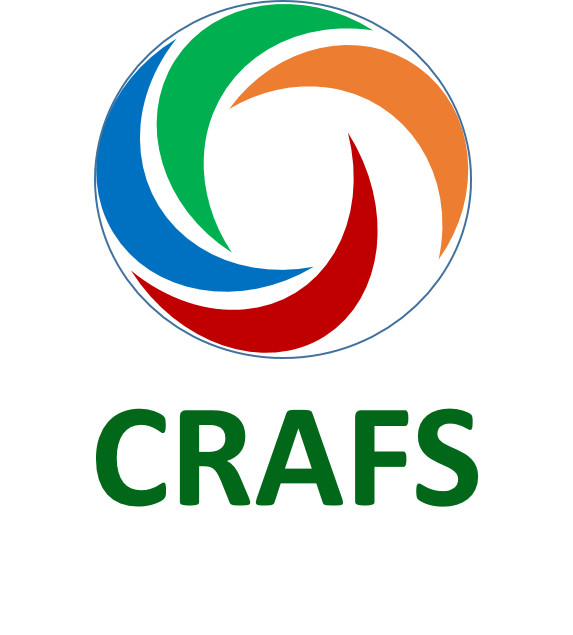
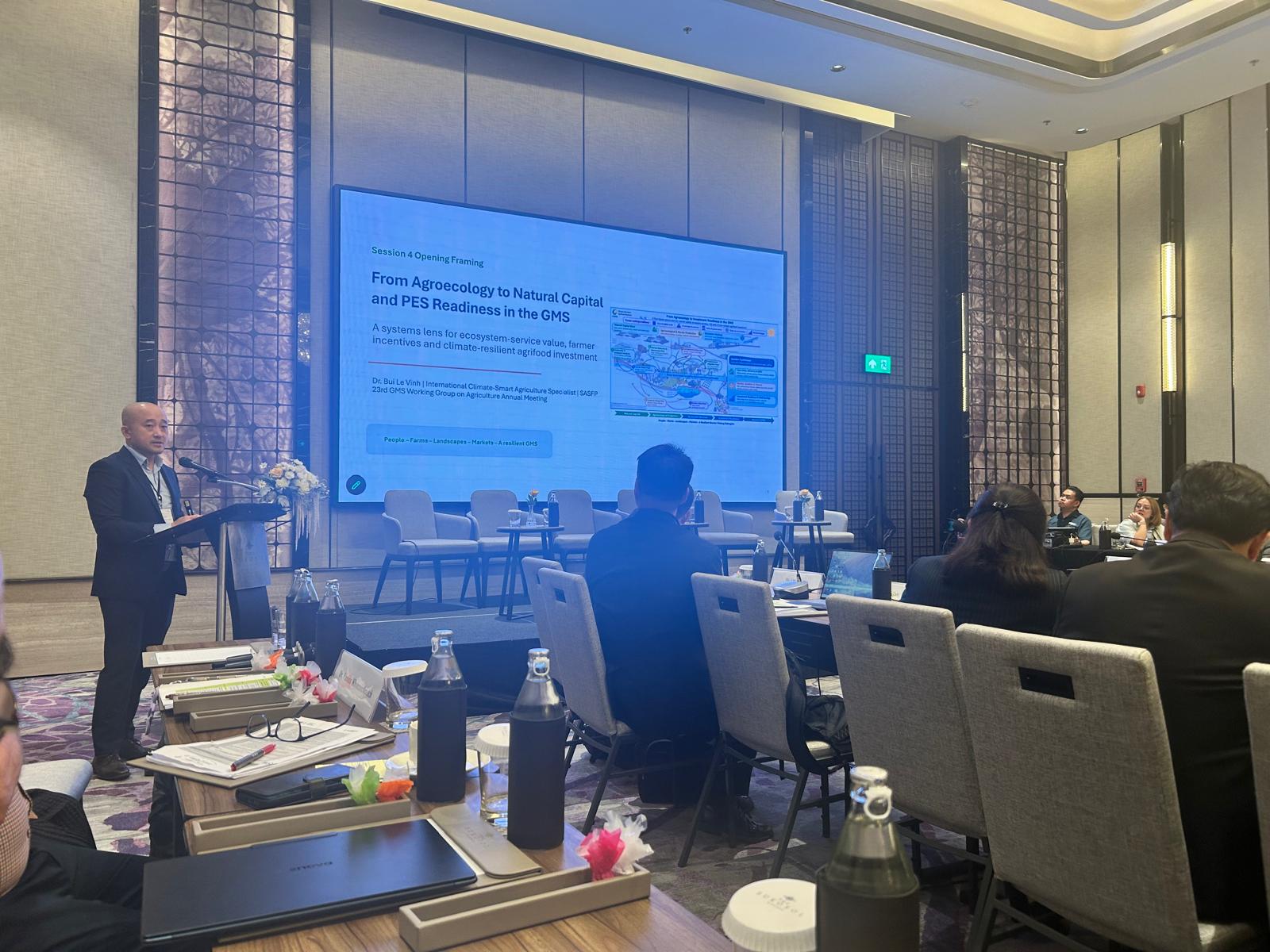
Dr. Bui Le Vinh facilitated Session 4 at the 23rd Annual Meeting of the GMS Working Group on Agriculture, held on 16–17 September 2026 in Bangkok, Thailand, focusing on natural capital, payment for ecosystem services, systems thinking and investment readiness for sustainable agrifood transformation.
————————————————————————————————————————————–
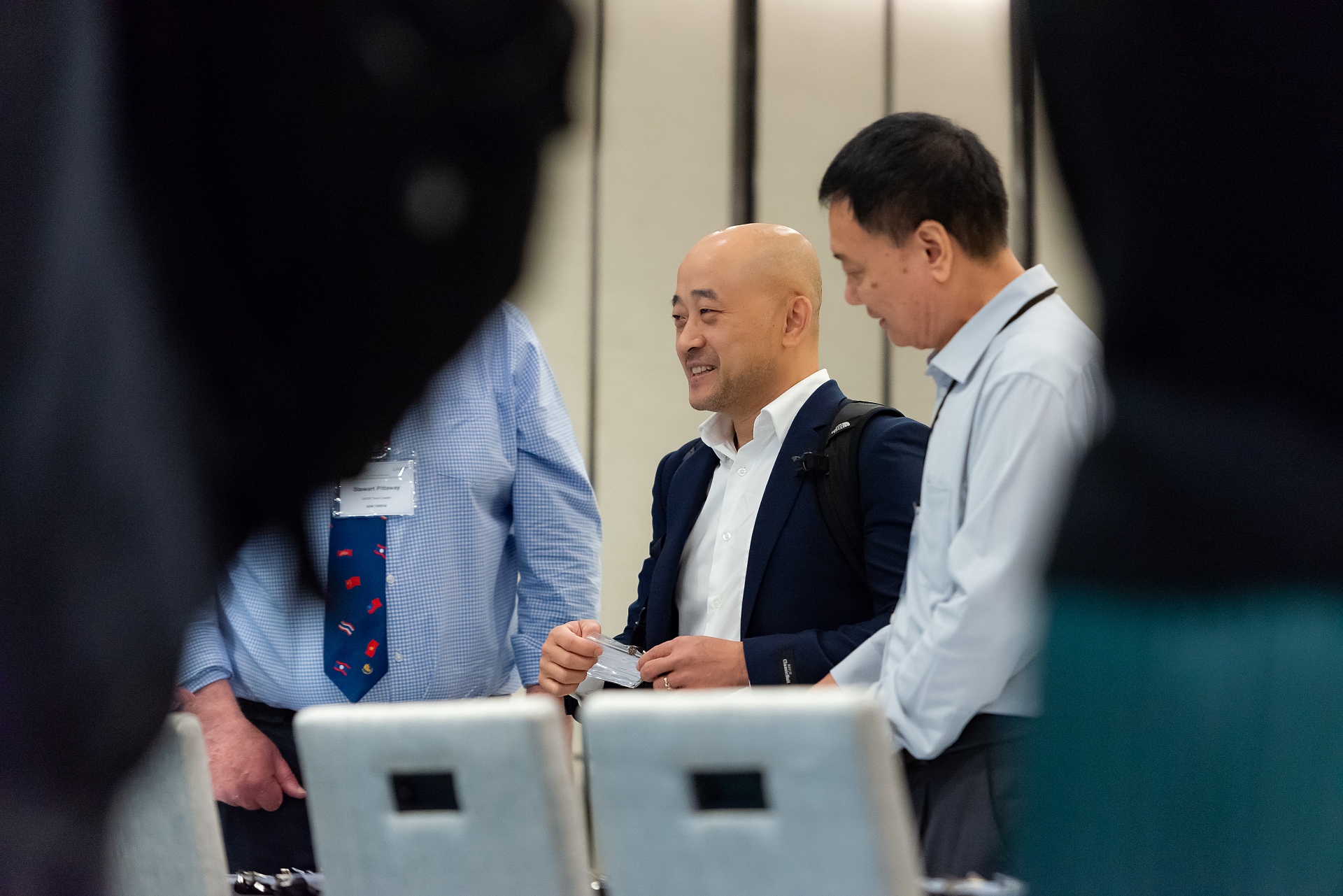
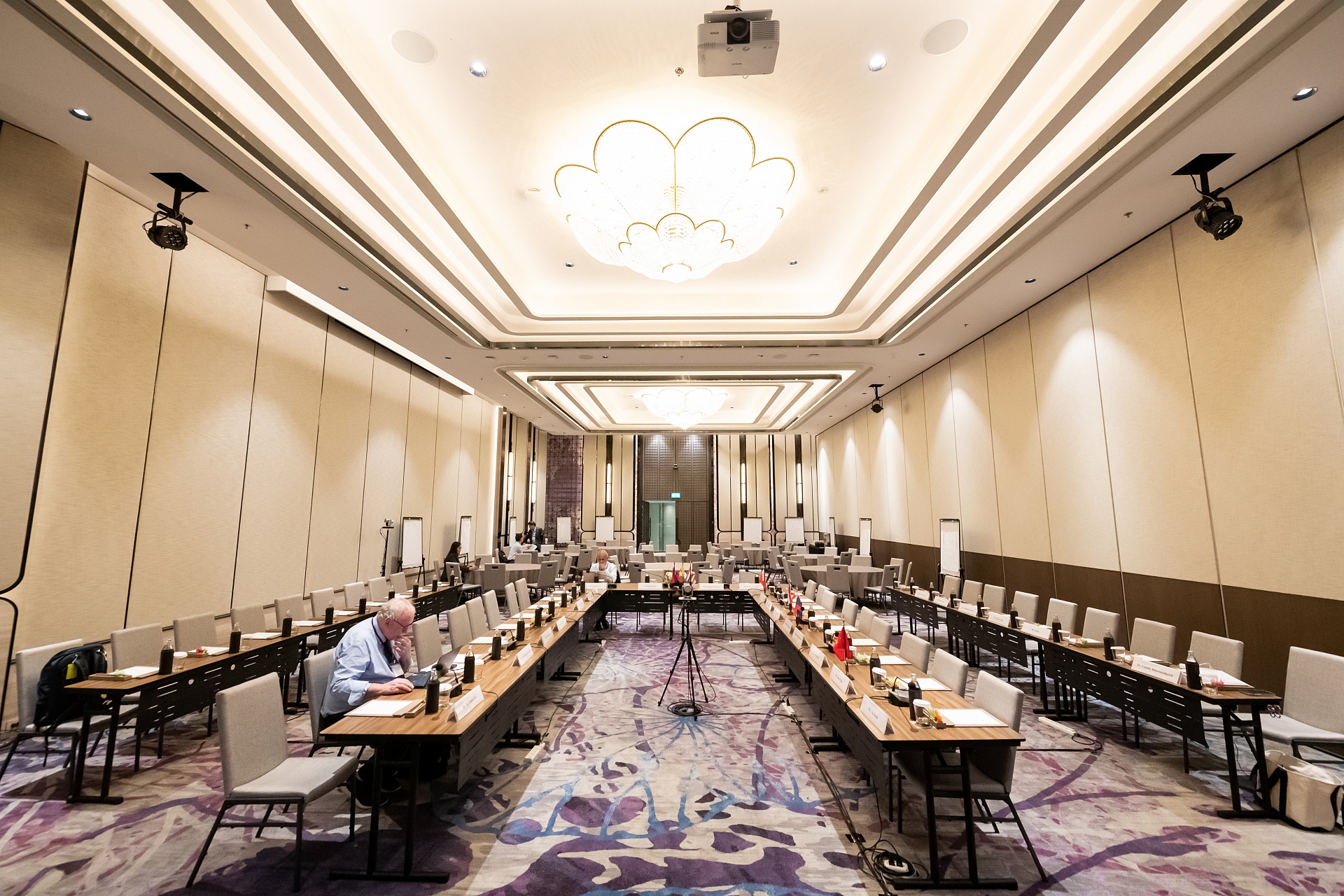
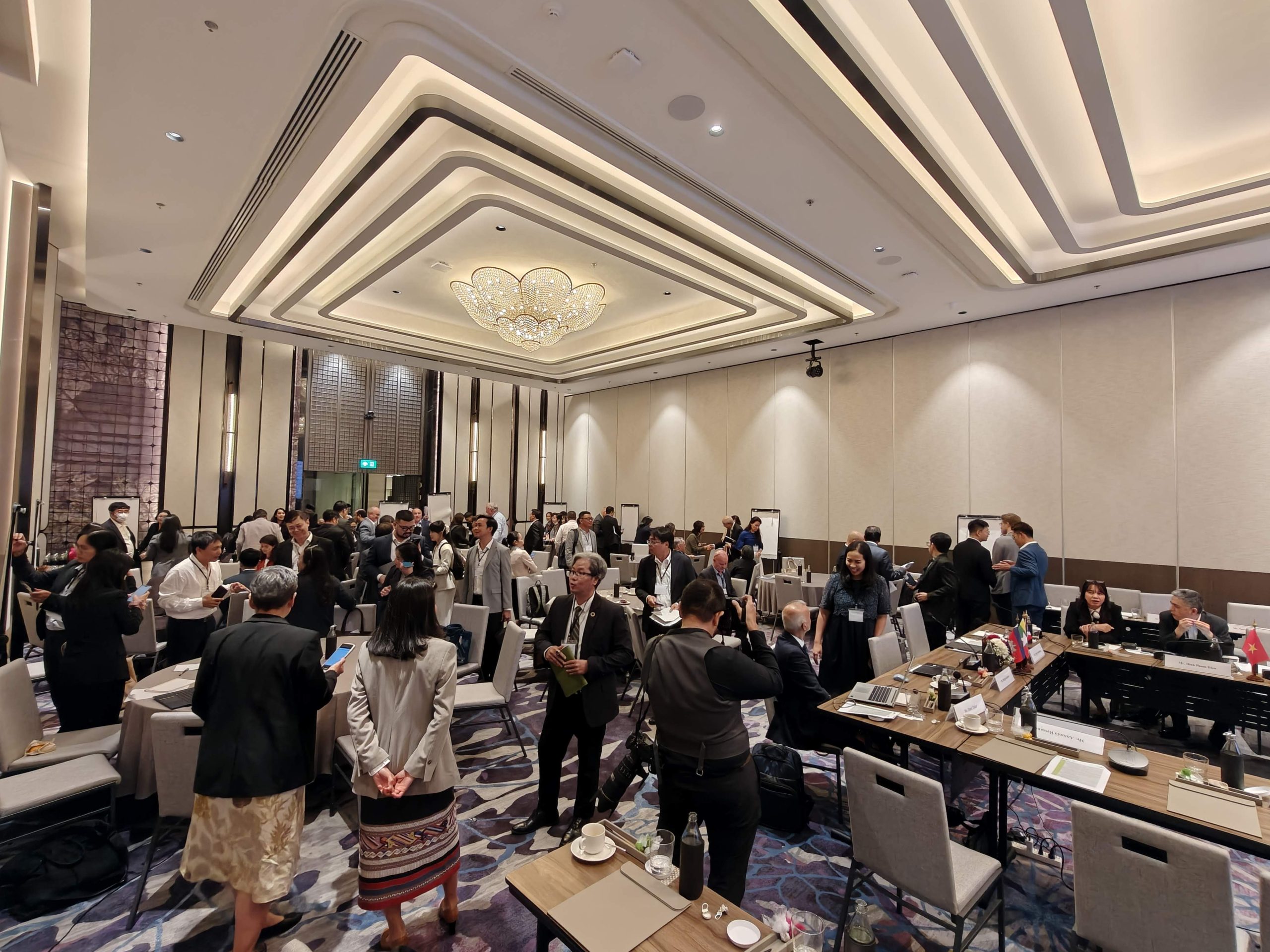
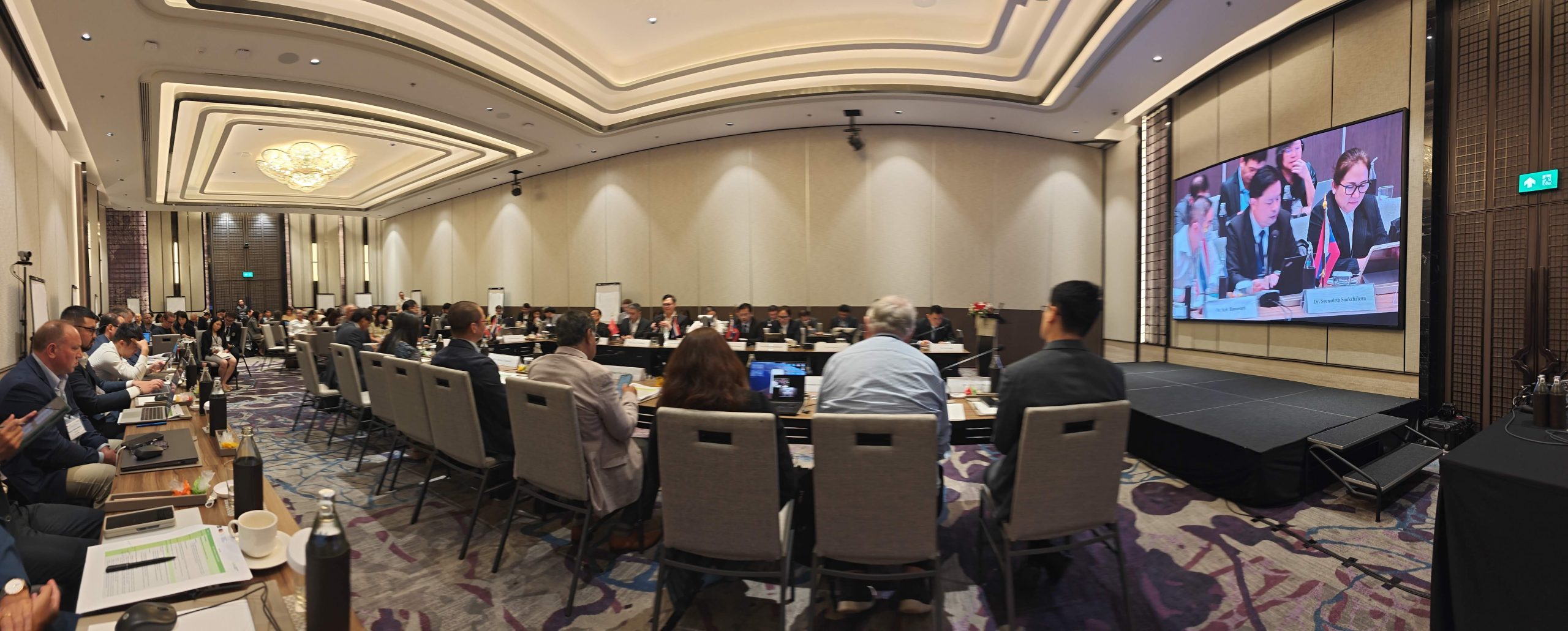
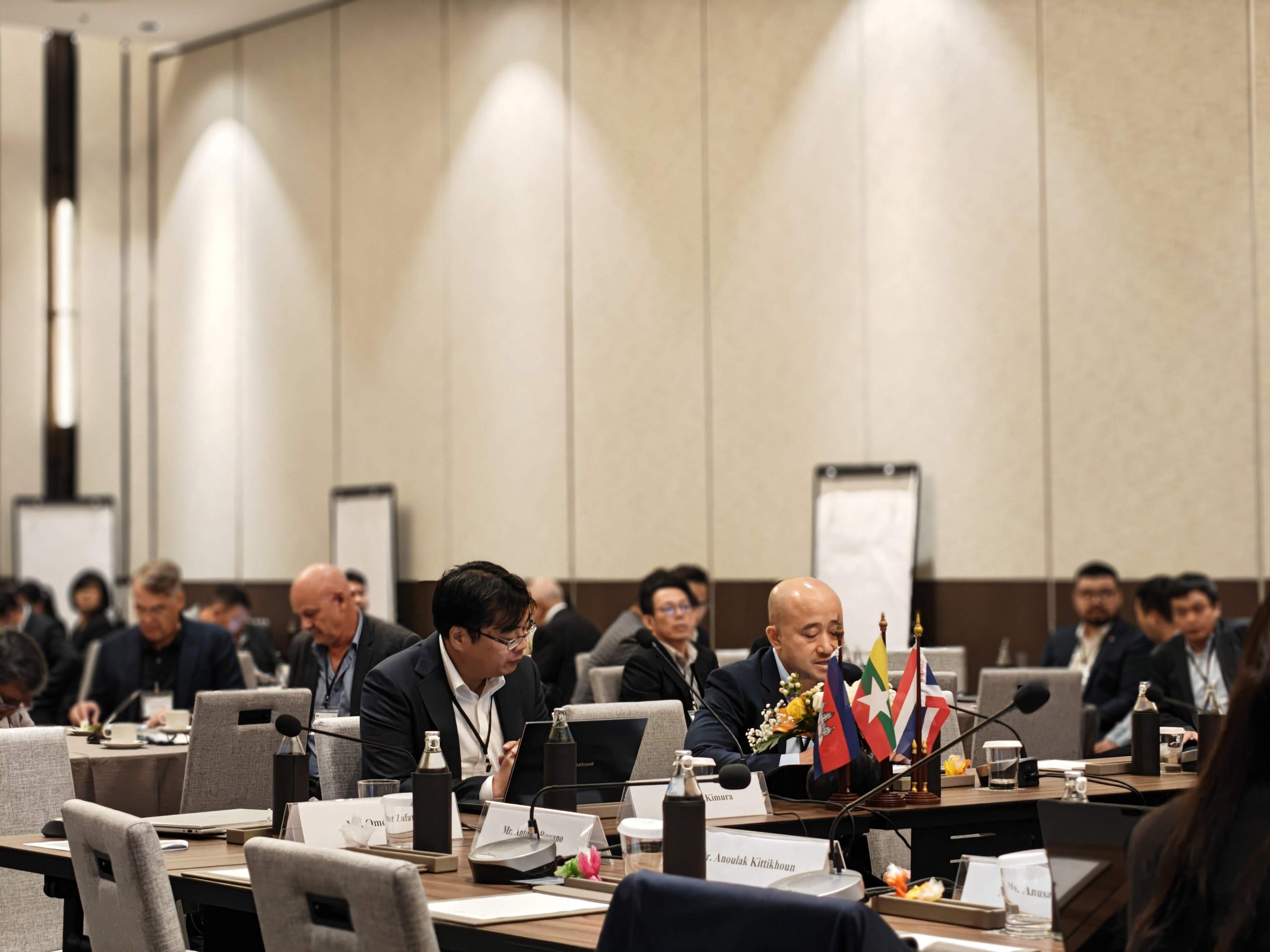
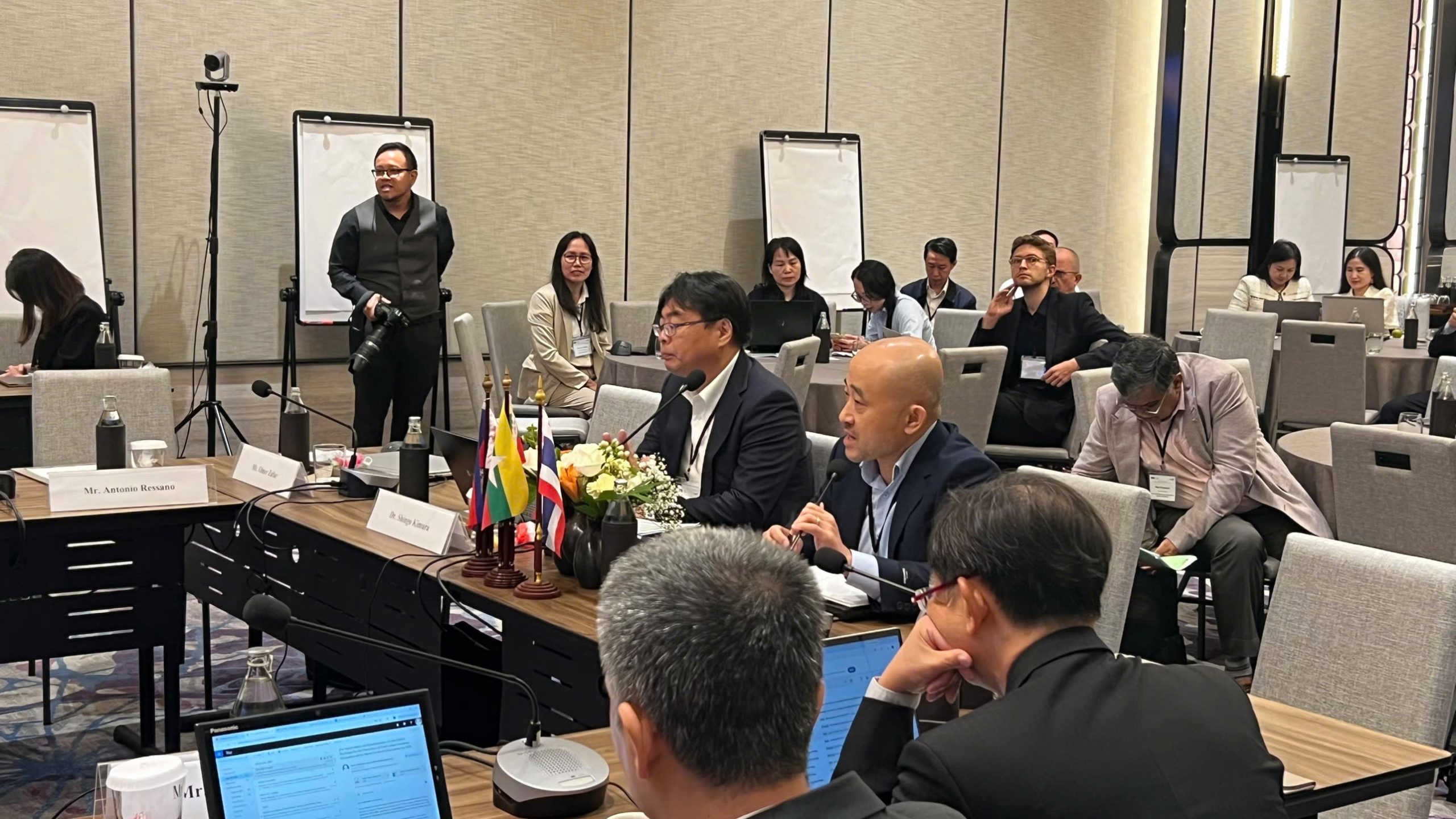
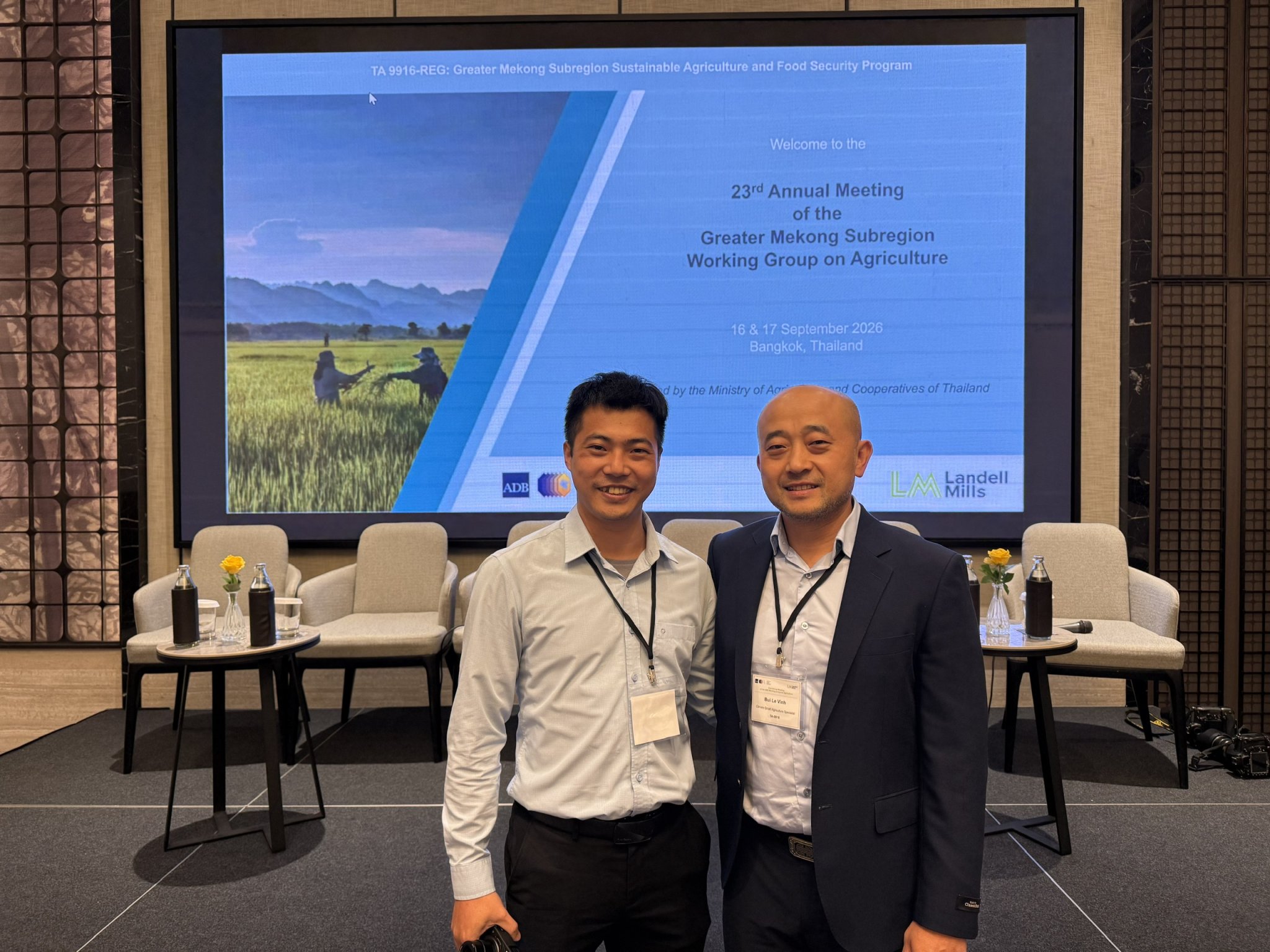
CRAFS was pleased to contribute to the 23rd Annual Meeting of the Greater Mekong Subregion Working Group on Agriculture, held on 16–17 September 2026 in Bangkok, Thailand. The meeting brought together representatives from GMS countries, ADB, development partners, research organisations, private-sector actors and practitioners to discuss regional public goods and investment pathways for sustainable agrifood transformation.
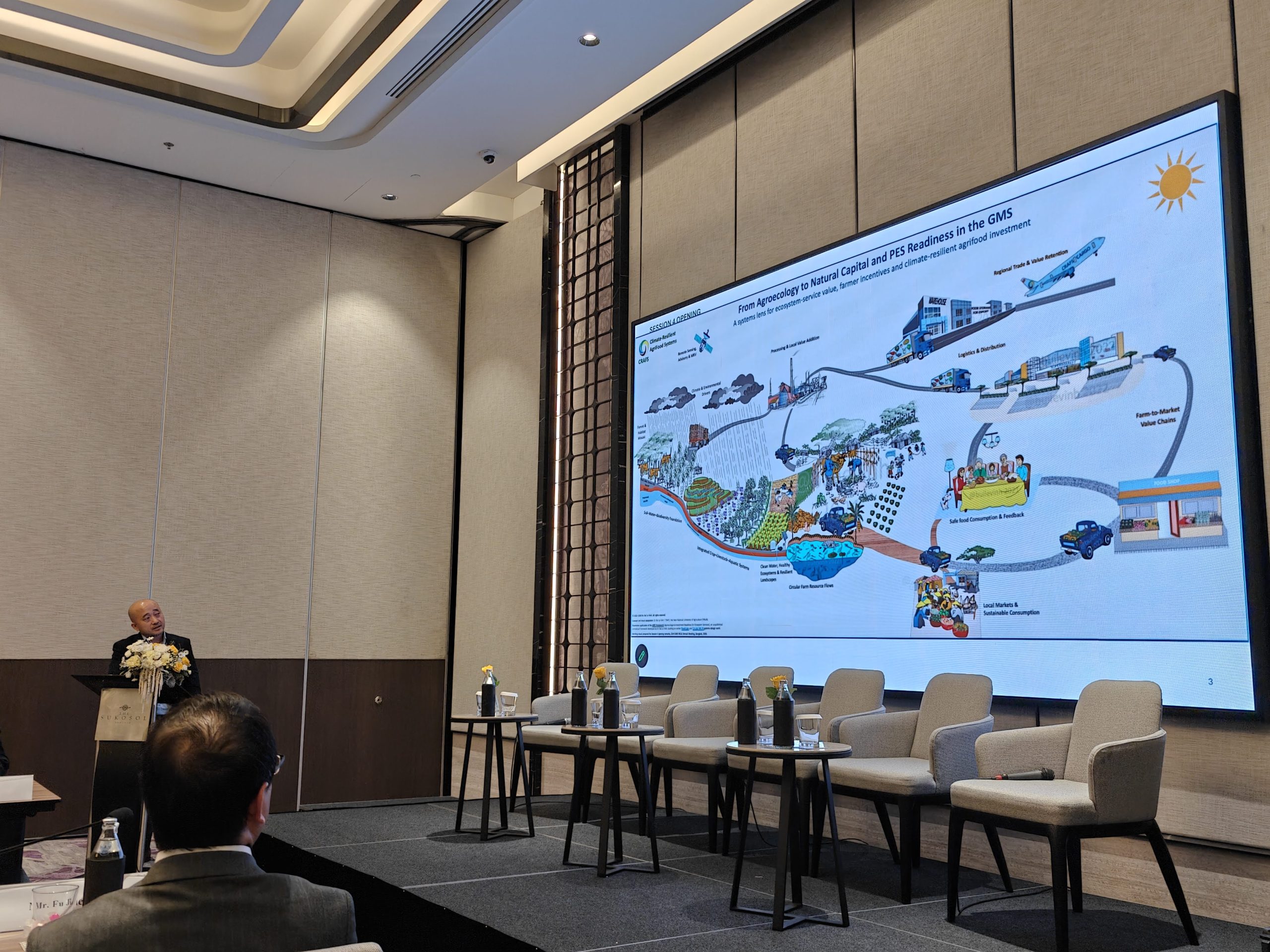
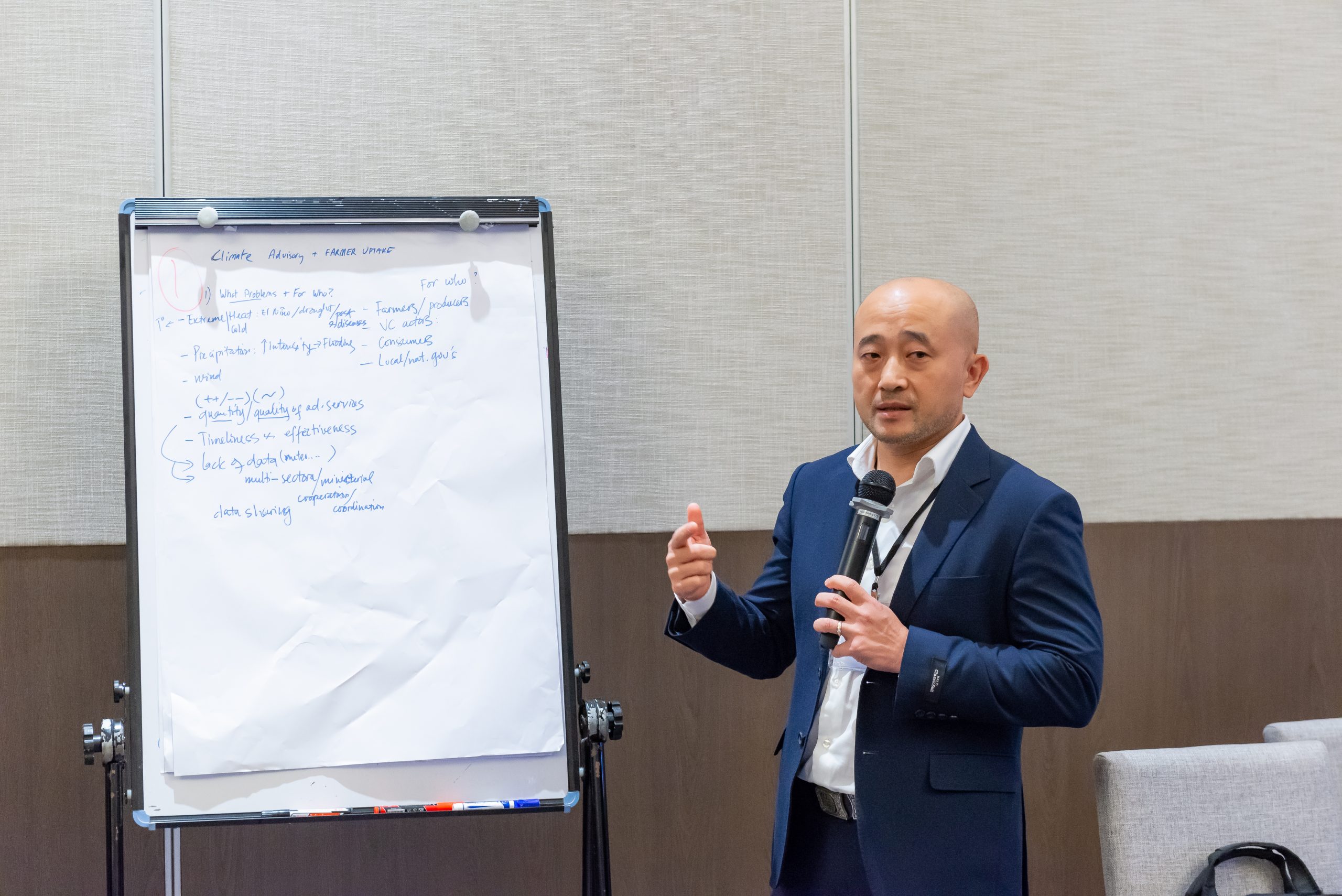
At the meeting, Dr. Bui Le Vinh, CRAFS Lead and Lecturer–Researcher at the Viet Nam National University of Agriculture, facilitated Session 4: Natural Capital and Payment for Ecosystem Services for Sustainable Agrifood Investment in the GMS.
The session focused on a key transition question for the region: how can agroecological, circular and climate-resilient practices move beyond isolated pilots and become measurable ecosystem-service value, credible PES mechanisms, farmer incentives and investment-ready pathways?
In his opening framing, Dr. Vinh applied a systems lens to connect field-level practices with wider enabling conditions for scaling. These included evidence and MRV, provider–beneficiary logic, farmer incentives, finance mechanisms, institutional readiness, policy alignment and regional public goods.
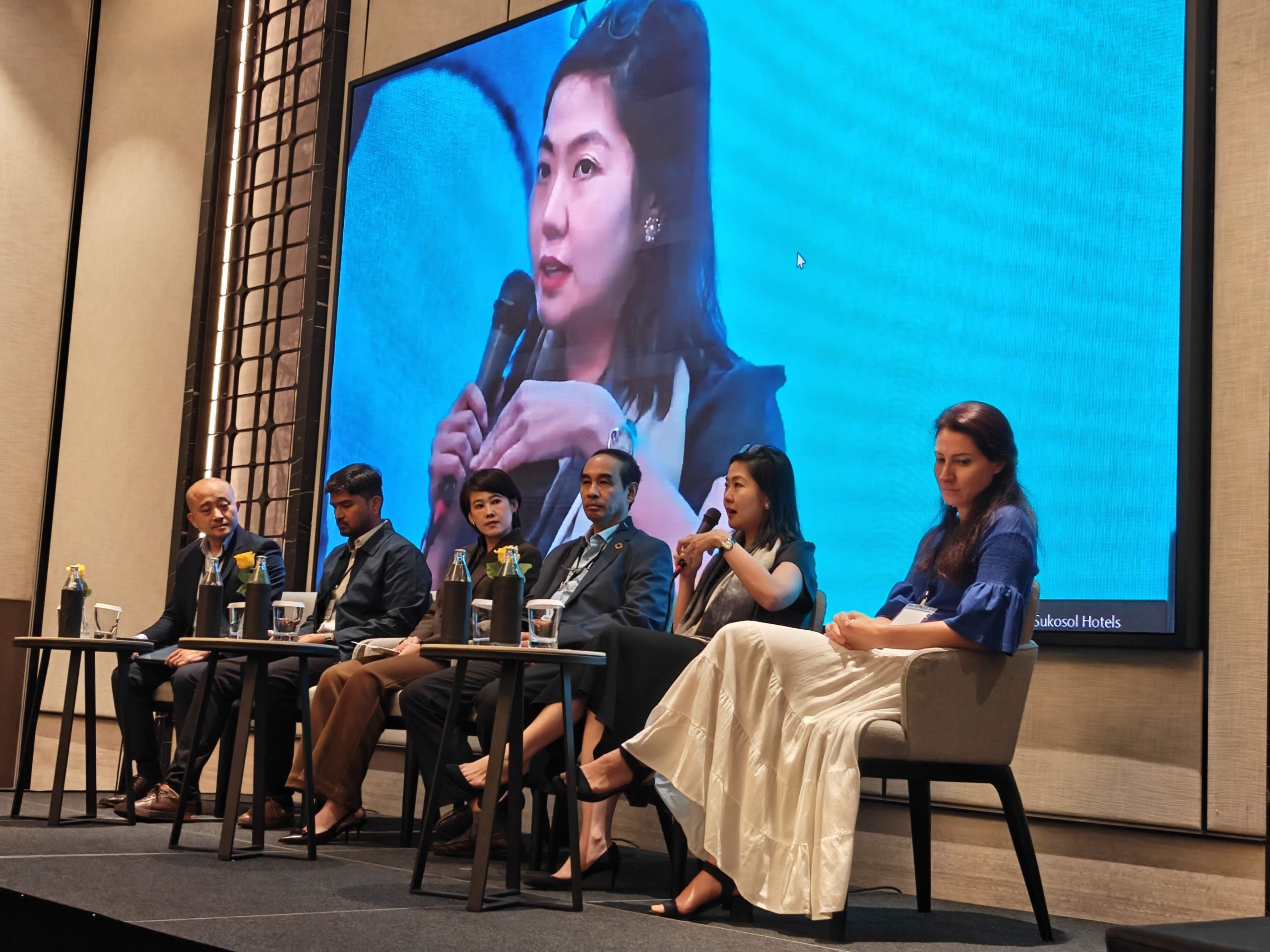
The session brought together perspectives from agroecology and bioeconomy, carbon and nature finance, digital advisory tools, climate services, MRV platforms, soil-management initiatives, AP-FIRM, and regional monitoring systems. The discussion highlighted that natural capital and PES are not only environmental topics, but also questions of data, institutions, incentives, markets and investment design.
Dr. Vinh also co-facilitated the policy discussion with ADB and colleagues from the GMS Working Group on Environment, linking the technical discussion from Session 4 with broader policy priorities on natural capital, PES readiness, institutional coordination and regional cooperation.
A key message emerging from the session was that good practices alone are not enough. To make natural capital and PES work for farmers, governments and investors, the region needs connected systems that can translate field-level innovation into credible evidence, practical incentives, financing mechanisms and policy action.
For CRAFS, the event reaffirmed the importance of systems thinking and systems mapping in designing pathways from farm-level practices to policy, investment and regional cooperation. This is closely aligned with CRAFS’ ongoing work on climate-resilient agrifood systems, agroecology, nature-based solutions, MRV, farmer incentives and sustainable investment readiness.
CRAFS looks forward to continuing collaboration with regional partners to advance natural capital, ecosystem-service value, PES readiness and climate-resilient agrifood investment in the Greater Mekong Subregion and beyond.